Fish Eating Birds


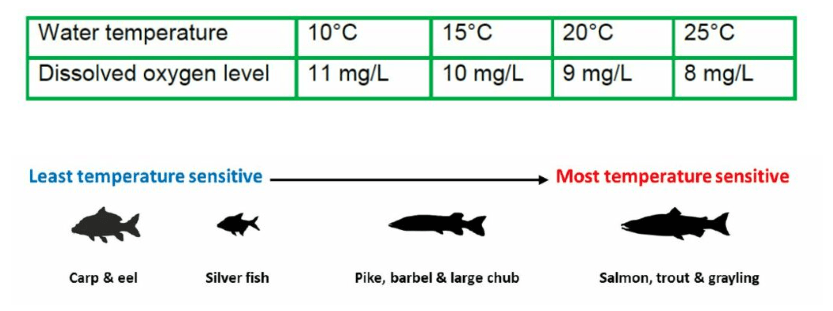
Brown trout depend on cold, well-oxygenated water, with an ideal temperature range of about 13°C to 19.5°C. As temperatures rise above this range, trout experience metabolic stress, reduced growth, depleted fat reserves, and eventually cardiac problems. At around 24°C and above, conditions can become lethal due to low oxygen and physiological shock.
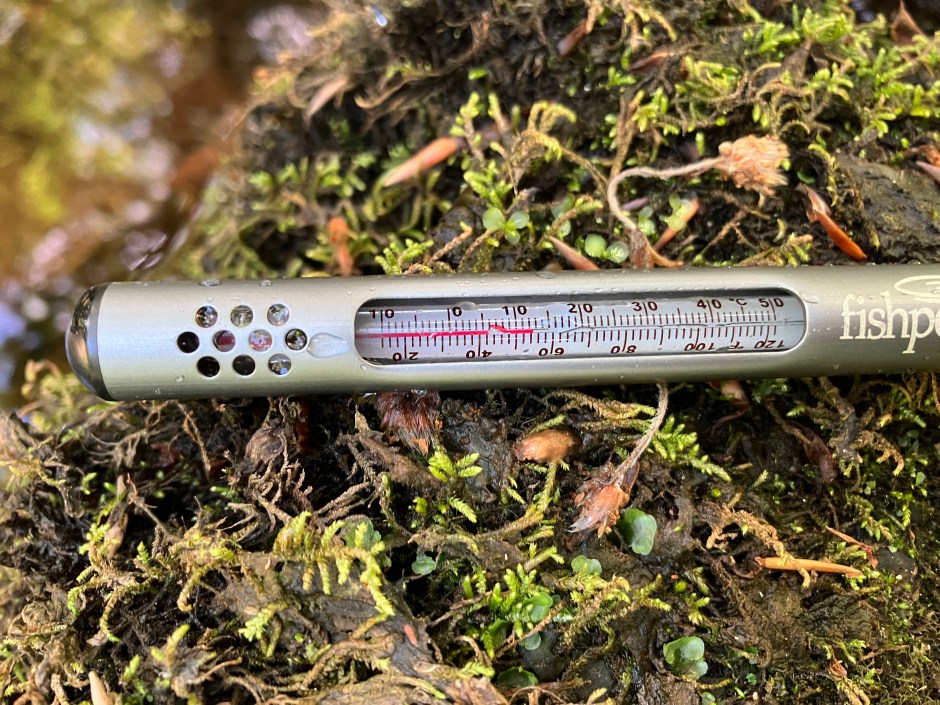
Fishing should stop once water reaches about 18°C because handling fish in warm water can cause severe stress and delayed mortality. A fish tank thermometer costing £5 can be bought on Ebay.
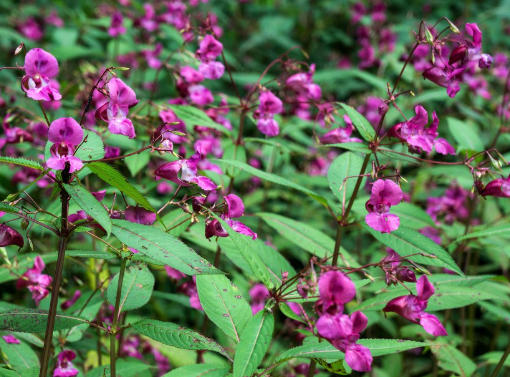
Invasive Species Week in the Westcountry takes place from June 22 to June 28. Led by the GB Non-Native Species Secretariat (NNSS), the campaign focuses on raising awareness about destructive non-native plants and animals, and getting communities involved in hands-on biosecurity and local control efforts.
The temperate, damp climate of the Westcountry provides an ideal habitat for several highly invasive species. Himalayan Balsam is a fast-growing plant that smothers native vegetation along riverbanks including those in the Tamar catchment and forces out local wildlife.
Organise work partis before the seeds set, leave the plants to rot down.
The meeting reviewed the previous AGM minutes, accepted apologies, and re-elected the existing committee, with Alan Madsen taking over from David Pilkington as Honorary Secretary. The 2025 season was marked by very low river flows and poor salmon catches, with around 52 salmon and 340 sea trout recorded. Concerns were raised about unreliable Environment Agency monitoring data, the lack of smolt trapping, and the loss of meaningful long-term “Index River” data for the Tamar.
Members agreed to maintain current TTFA catch guidelines: full catch-and-release for salmon, a two sea trout daily limit, and release of sea trout over 3 lb. Reports covered poor spawning observations, South West Water abstraction issues, the planned Gunnislake fish pass, and concerns about water quality impacts from Tamar water being transferred into Roadford.
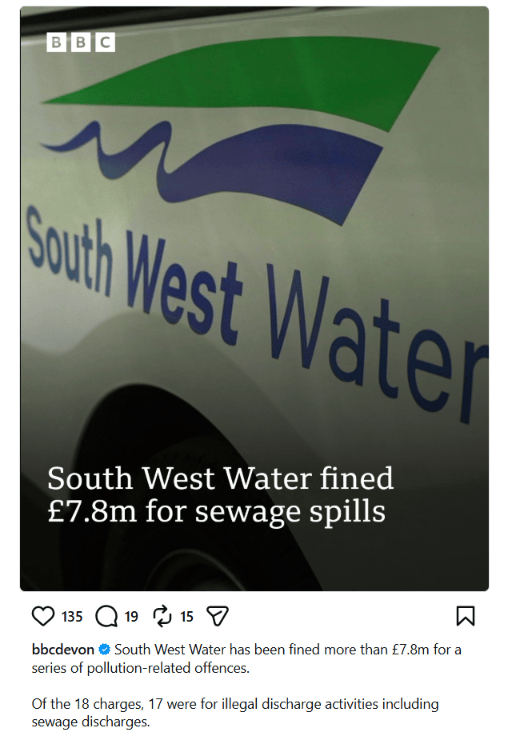
The Salmon and Sea Trout Action Scheme was strongly supported, with emphasis on urgent intervention to prevent further salmon decline, including possible smolt-to-adult supplementation. Wider threats discussed included household chemical toxins, pet flea treatments, sewage, marine by-catch, seal predation, and very low marine survival rates.
Westcountry Rivers Trust reported continuing fry and parr surveys, habitat improvement, gravel cleaning, farm nutrient planning, and river restoration work. The Environment Agency report highlighted limited enforcement resources, illegal sea trout sales, strong rod licence compliance, and widespread farm non-compliance affecting water quality.
TTFA finances remain modest, with the main expense being SWRA subscription. Other business focused on ongoing pollution concerns at Davidstow Creamery and the upcoming SWRA AGM. The meeting closed with thanks and a note from David Pilkington confirming his retirement as Honorary Secretary.